Leaders Opinion
The Human-Digital Symphony: Orchestrating India’s Supply Chain Roadmap for 2047

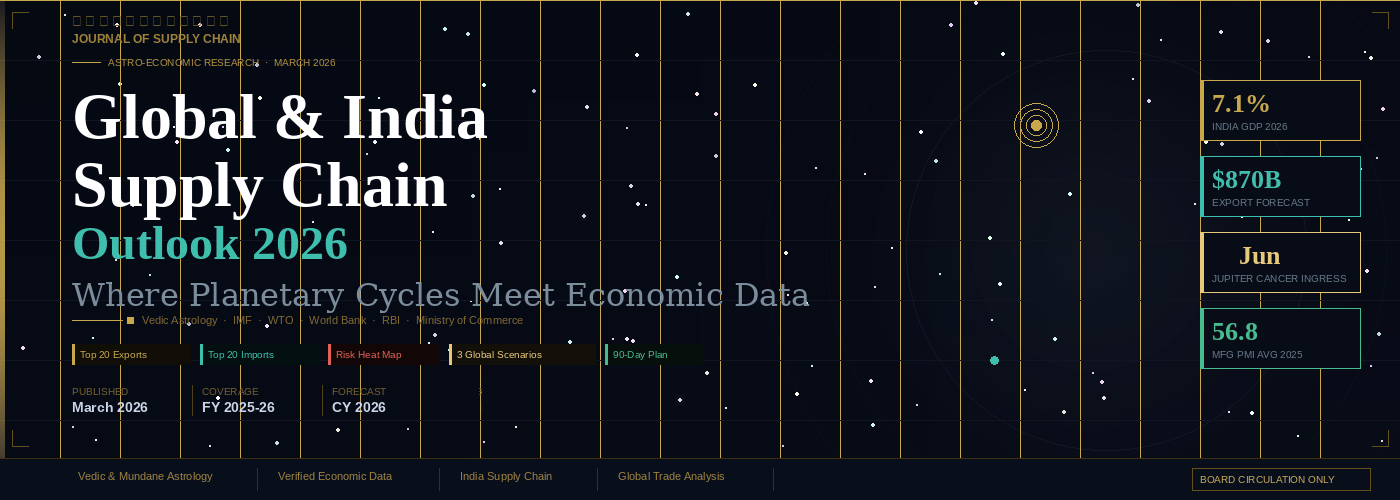
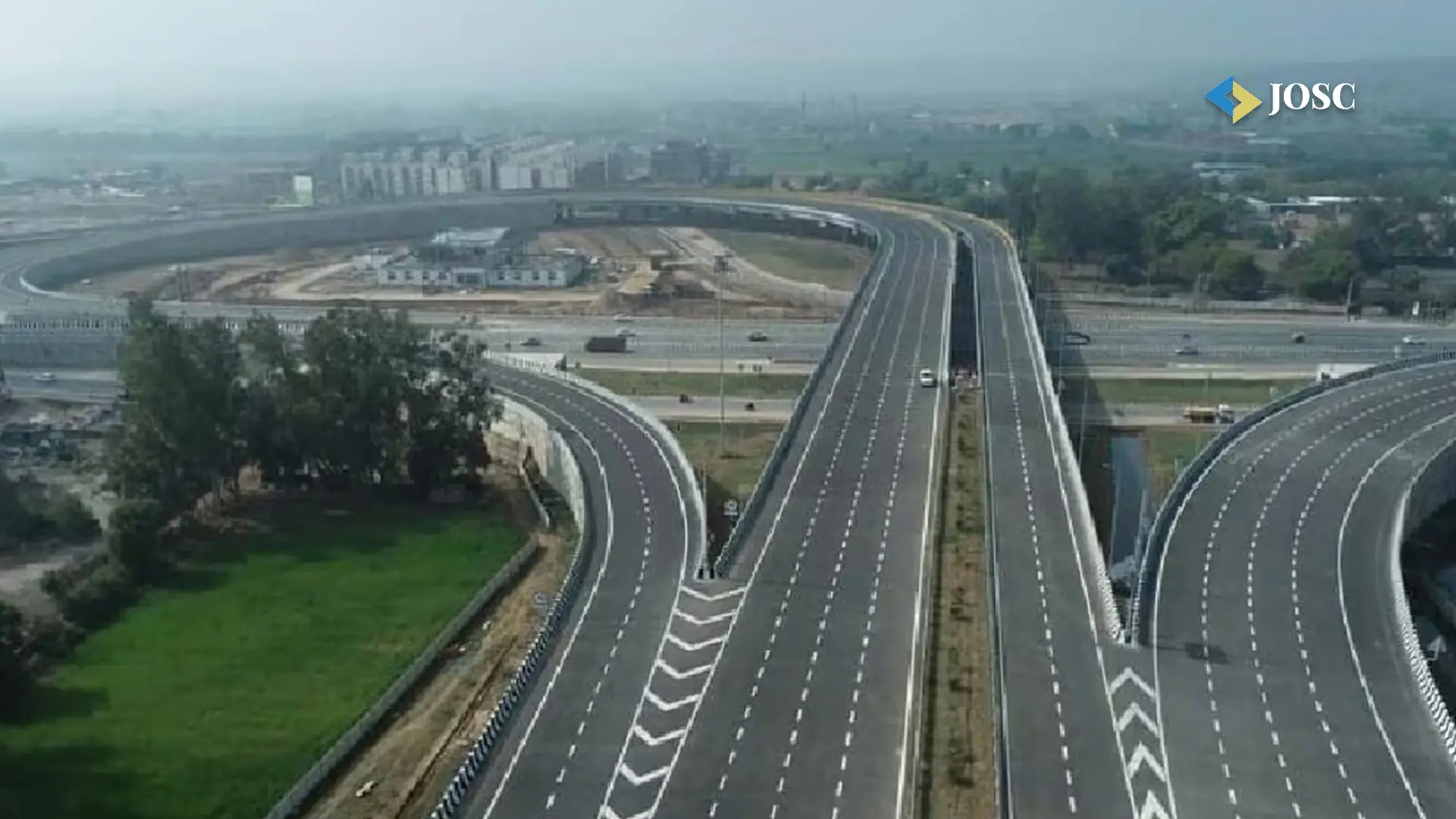
As we navigate the complexities of 2026, the global supply chain has moved beyond the era of simple cost-optimization. We are now in a state of "permanent transition," where systemic resilience, technological sovereignty, and ethical transparency are the only true currencies of success. For those of us driving this change from within India, the perspective is uniquely consequential. We are at a rare inflection point where robust domestic fundamentals—projected GDP growth of 7.1% and a manufacturing PMI sustained above 56—are meeting a secular structural realignment in global trade. My personal philosophy has always been: "Breath to motivate, breath to learn." From my early days helping 80+ peers find their first jobs through Make it Memorable (MIM) to leading digital transformation at a scale that impacts millions of households, I have learned that while algorithms provide the map, it is the human spirit that drives the vehicle . To reach the vision of Viksit Bharat 2047, we must move beyond incrementalism and orchestrate a symphony between agentic technology and empowered human capital. 1. The Logistics Renaissance: Beyond the Headline Numbers For decades, the "14% of GDP" figure was cited as the structural albatross around the neck of Indian industry. However, in a landmark shift, recent government assessments supported by the National Council of Applied Economic Research (NCAER) and the DPIIT have revised India's logistics cost to 7.97% of GDP . In absolute terms, this ecosystem is valued at ₹24.01 lakh crore . This achievement puts India in the same league as advanced economies like
The only supply chain registration you need
Unrivaled context behind every news and article for free.
RegisterJoin the community of 150,000+ industry professionals
Subscribe to our Daily Newsletter
Subscribe For FreeBy continuing you agree to our Privacy Policy & Terms & Conditions
Latest